In the realm of legal proceedings, procedural violations can undermine the integrity of a case and lead to adverse outcomes. Understanding how to identify these breaches is crucial for legal professionals and individuals involved in the justice system alike. By uncovering procedural violations early on, you can protect your rights and interests, ensuring that the legal process remains fair and just. This blog will guide you through the essential steps of recognizing these violations and highlight their significance in achieving favorable legal resolutions.
As we explore the intricacies of procedural violations, we'll share proven strategies to help you discover any breaches that may impact your case. From analyzing court documents to observing courtroom conduct, these methods empower you to remain vigilant and informed. Additionally, we'll discuss effective techniques to address and rectify any identified violations, allowing you to take proactive measures in safeguarding your legal standing. Dive into our comprehensive guide and unlock the tools you need to navigate procedural complexities with confidence.
Understanding the importance of identifying procedural violations
Identifying procedural violations in legal cases is crucial for ensuring a fair and just legal process. When lawyers, judges, or other legal professionals neglect established procedures, the integrity of the legal system is compromised. These violations can lead to wrongful convictions, dismissals, or other unjust outcomes that may impact the parties involved for years. By highlighting these breaches, legal professionals not only protect their clients' rights but also uphold the rule of law, helping to maintain public confidence in the legal system.
Moreover, procedural violations can significantly affect the validity of evidence and the outcomes of trials. Failing to adhere to procedural rules can render evidence inadmissible, impacting the strength of a case. Understanding how to identify these violations empowers legal practitioners and their clients to challenge unfair practices effectively. By taking proactive steps to uncover these breaches, professionals can ensure that all parties receive due process, ultimately fostering a more equitable legal environment.
Proven strategies to discover procedural breaches in legal cases
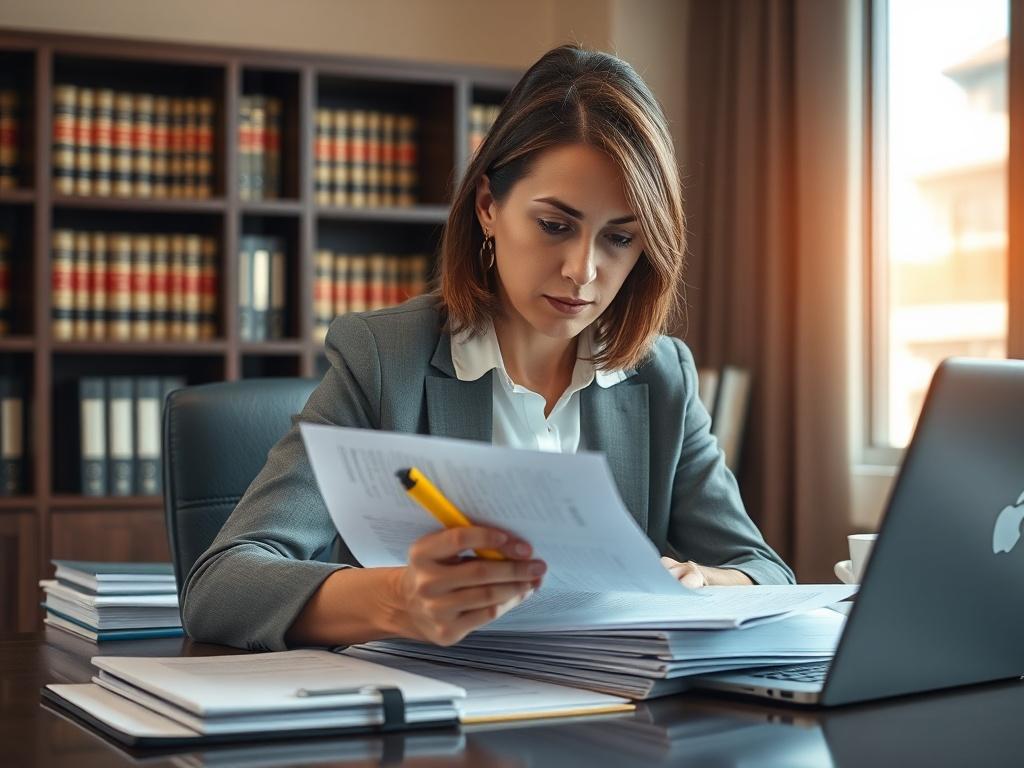
To successfully identify procedural violations in legal cases, legal practitioners should adopt a systematic approach. Start by meticulously reviewing case documents, including pleadings, motions, and discovery materials. Look for inconsistencies or deviations from established rules and procedures. Utilizing checklists tailored to jurisdiction-specific procedural rules can also streamline this review process, ensuring no critical element is overlooked. Additionally, engaging in thorough research of case law can illuminate previously adjudicated procedural breaches, providing insights into how similar cases were handled.
Another effective strategy involves interviewing clients and witnesses to gather firsthand accounts of the case process. These interviews may reveal discrepancies between the outlined procedures and the actual events that transpired. Observing courtroom dynamics can also be beneficial; pay close attention to the judge's rulings and the behavior of opposing counsel. Recording and analyzing these observations can expose potential violations. Combining these strategies with collaboration among legal teams fosters a comprehensive approach to uncovering procedural violations, ultimately enhancing the integrity of the legal process.
Effective methods to address and rectify procedural violations
Once you identify a procedural violation, it is crucial to address it promptly to protect the integrity of the legal process. Start by documenting the specifics of the violation, including the time, place, and nature of the breach. Utilize this documentation to prepare a formal motion or request for review, presenting your findings clearly and concisely. Engaging with relevant parties, such as opposing counsel and the court, is essential. Communicate your concerns in a professional manner, advocating for resolution based on established legal standards. This proactive approach not only fosters dialogue but also emphasizes your commitment to upholding legal integrity.
Rectifying procedural violations often involves collaborating with legal professionals who specialize in this field. Retain knowledgeable attorneys who can offer insights into the complexities of the case and advocate on your behalf. They can help you navigate the remediation process, which may involve filing the appropriate motions or appeals to the court. Additionally, consider seeking alternative dispute resolution methods, such as mediation, to reach a consensus without protracted litigation. By focusing on cooperative solutions and maintaining open lines of communication, you can effectively address procedural violations and contribute to a fair and just legal outcome.
Stay updated on our news and events! Sign up to receive our newsletter.
Thank you for signing up!
Something went wrong. Please try again later.